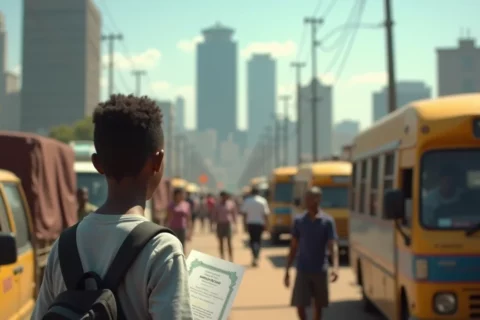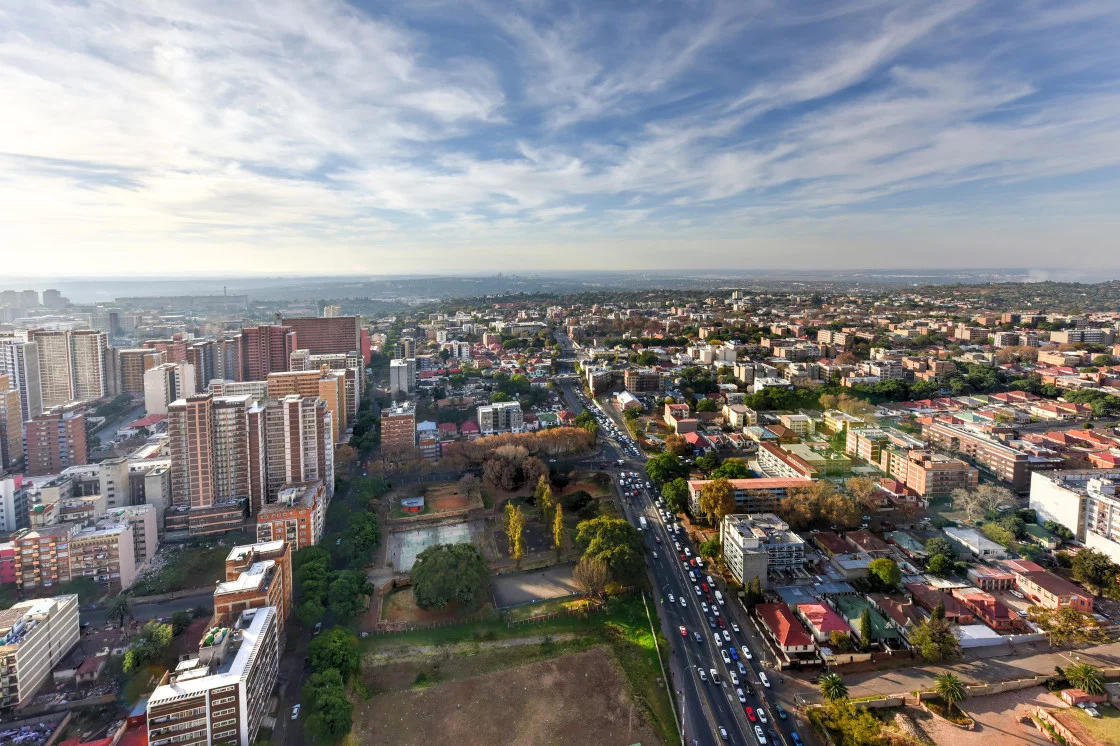
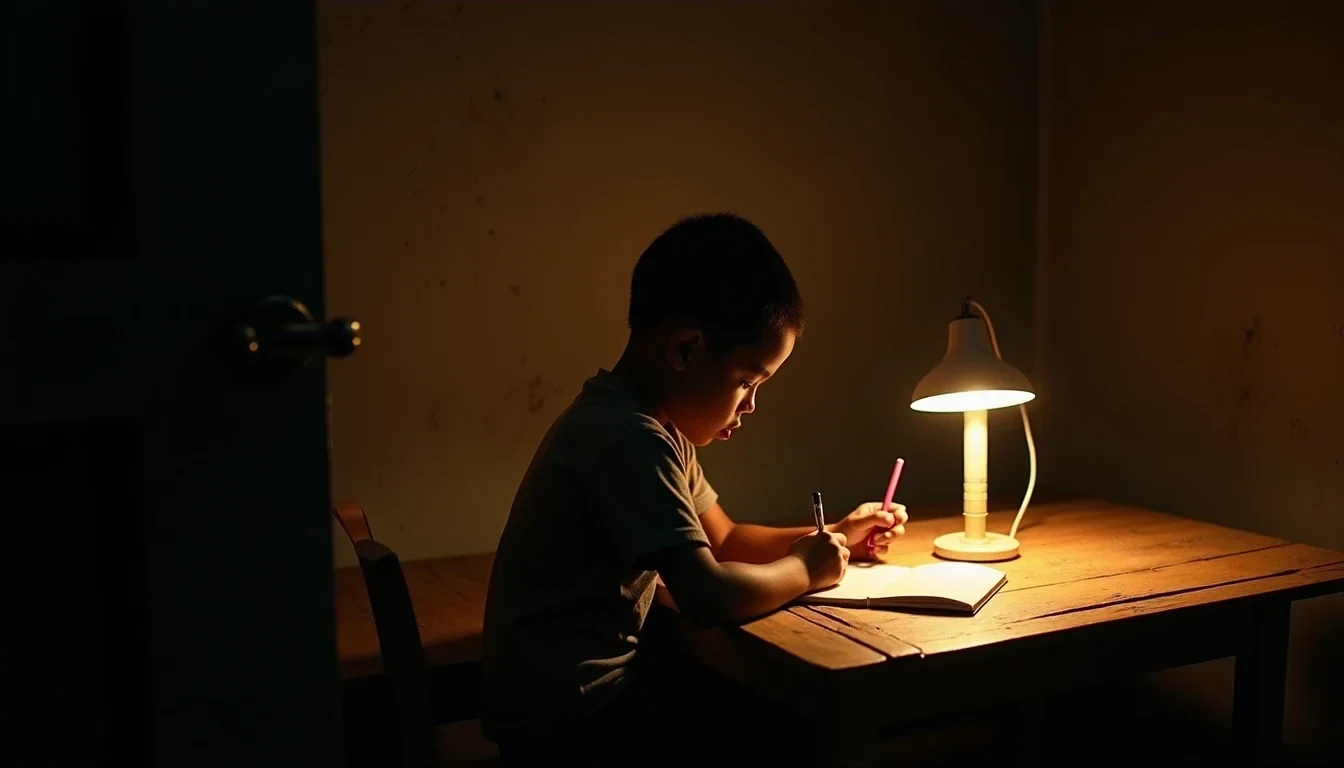
A province that loses R821.5 million meant for housing while over 680,000 families wait does not have a communication problem. It has a delivery problem. The people paying for it are stuck in shacks, backyard rooms, and settlements where winter water and summer heat wear them down.
The Western Cape government blames illegal invasions and extortion for blocking projects and leaving money unspent. This might sound neat in a briefing, but on the ground, it looks like the usual administrative shrug disguised as a security crisis. Criminal pressure is real, but the state has a duty to plan around it, not hide behind it.
Money that vanished from the pipeline
R821.5 million is at the center of this mess, forfeited to National Treasury because the province could not spend it in the 2023/24 and 2024/25 financial years. Of that, R664.3 million was for free basic houses, and R157.2 million was for informal settlement upgrades.
This is not spare cash. It is the difference between a family staying in a damp backyard room for another year and moving into a proper structure. It is the difference between a settlement getting water, sanitation, electricity, and safer access roads, or continuing with paraffin stoves, bucket systems, and the daily risk of fire and flooding.
The province did not run out of need; it ran out of delivery.
The backlog keeps growing
More than 680,000 families are on the Western Cape housing demand database. Some estimates push that closer to 690,000 households. This is a vast queue, stretching beyond what most people can imagine. You do not need a policy paper to understand its impact. Children do homework in cramped rooms where three generations sleep in shifts. Parents try to hold down jobs while living far from transport, schools, and clinics. People wait so long that hope feels like a joke.
Housing delivery has fallen off a cliff. The province delivered 8,038 homes in 2019/20. By 2024/25, that figure dropped to 3,046. This is not a wobble; it is a collapse of over 60 percent in five years.
A government can survive one bad year. It cannot keep explaining away such a slide and still expect anyone to believe the system is healthy. When output drops so sharply while the waiting list swells, the problem is no longer only about money. It is about capacity, planning, land, and political will.
Illegal invasions are real, but they are not a full explanation
The province points to illegal invasions and extortion as the reason projects stalled. This story is not invented. Land earmarked for housing does get occupied. Contractors face intimidation. Local power brokers, gang-linked actors, and so-called business forums can turn a building site into a pressure cooker. Work stops, costs rise, people get scared. Projects stall while lawyers, security firms, and officials scramble to regain control.
If that is the whole explanation, then the state has already conceded too much.
A housing department is not a helpless spectator. It knows where demand is concentrated, which areas are volatile, and where land disputes, service backlogs, and community conflict are likely to flare. If it still cannot spend hundreds of millions earmarked for housing, then the failure sits inside the machinery as much as outside it.
The Western Cape says it is working with SAPS, pursuing legal action, tightening security on sites, and trying to engage communities. These are standard responses and the minimum any serious administration should already have in place. None of them explains why the province forfeited money on this scale while the backlog remained brutal and delivery figures sank.
The deeper problem is older than the excuse
The familiar South African housing bottleneck is a pile-up. Land near jobs is expensive or tied up in disputes. Infrastructure is missing or delayed. Approvals drag. Planning happens after demand has already arrived. Municipal and provincial capacity is uneven. Procurement can be slow, messy, and vulnerable to capture. The crisis then gets blamed on the loudest visible obstruction of the moment.
This is how governments survive criticism without changing much. They point to the most dramatic blockage and leave the deeper rot untouched.
Khayelitsha, Mitchells Plain, Delft, Drakenstein, George, Stellenbosch are not abstract dots on a map. They are places where the housing shortage lands in specific ways, on specific families, in specific streets. A missed project means a child stays in a backyard structure that leaks every time the rain turns hard. It means an elderly woman keeps sharing a toilet with dozens of people. It means a young worker has to choose between rent, transport, and food because the state’s promised pipeline never materialised.
The province likes to present itself as comparatively competent. That image only matters if competence shows up where it counts. Once a government cannot turn approved housing money into finished units, the branding becomes noise.
The people waiting pay the price
Dignity gets lost in official language. A housing backlog is not just a statistic. It is a long sentence imposed on people who have already spent years proving they can wait, adapt, and endure. Every delayed project tells them their lives can be pushed back again because the system found a better excuse than a solution.
The most vulnerable residents do not experience this as a policy failure. They experience it as another year in overcrowded rooms, another summer of floods in low-lying settlements, another winter of damp walls and sickness, another promise that turns to dust before anything is built.
The R821.5 million matters because a government that cannot spend housing money in the face of a 680,000-plus backlog tells poor families exactly where they sit in the queue, and it is not near the front.