Billy Paddock’s story is one apartheid never wanted white people to tell in public. A Durban boy from a middle-class home, schooled in the usual routines of a white life, he trained for the Anglican ministry. In 1982, he was ordered to put on a SADF uniform as if it were the most natural thing in the world. He could have gone along, like so many did. He could have disappeared into exile and let the state keep its clean little fiction about loyalty. Instead, he made the harder choice and took the punishment.
People still flatten this part when they talk about white dissent under apartheid. They make it sound tidy, almost tasteful. Paddock’s refusal was neither. It was a direct rejection of the racial bargain white men were handed: comfort on one side, coercion on the other, with black South Africans carrying the cost of both.
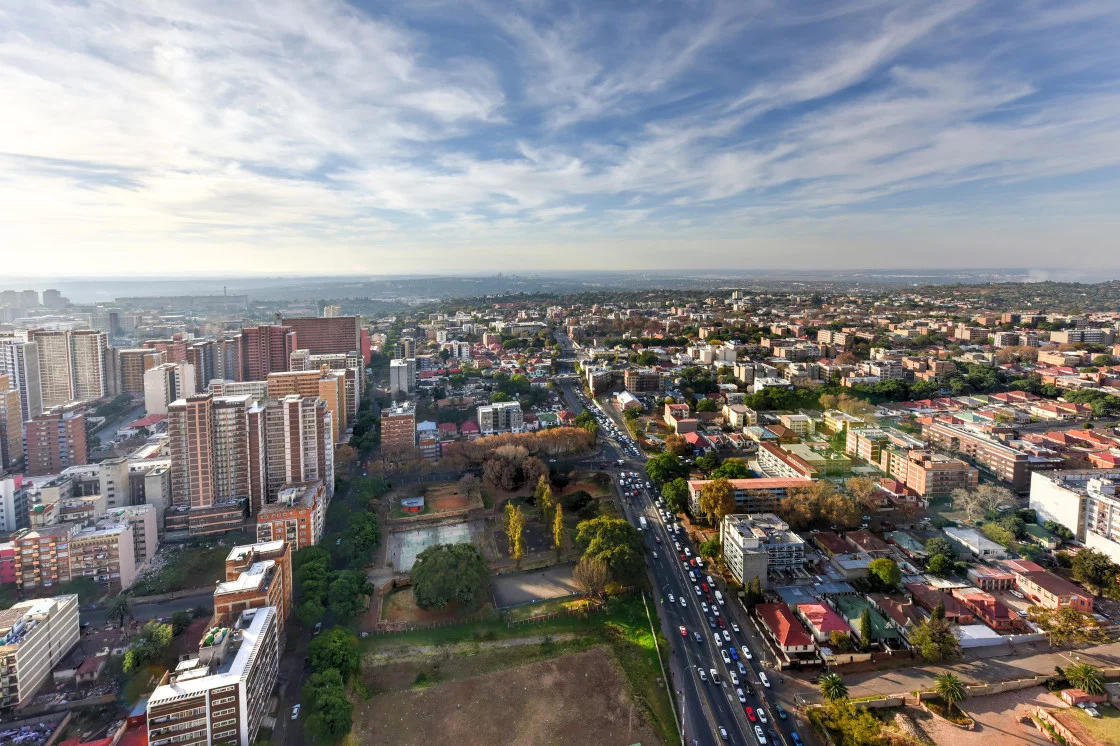
Durban did not make him innocent
Paddock came out of a fairly ordinary white upbringing in Durban, the kind that sat inside apartheid’s comfort zone without having to stare too hard at the machinery underneath it. He moved through school life, then on to training for the Anglican ministry. This matters because the Anglican world in South Africa was not the state’s pet church. It carried a different moral language, one that could name injustice without blushing.
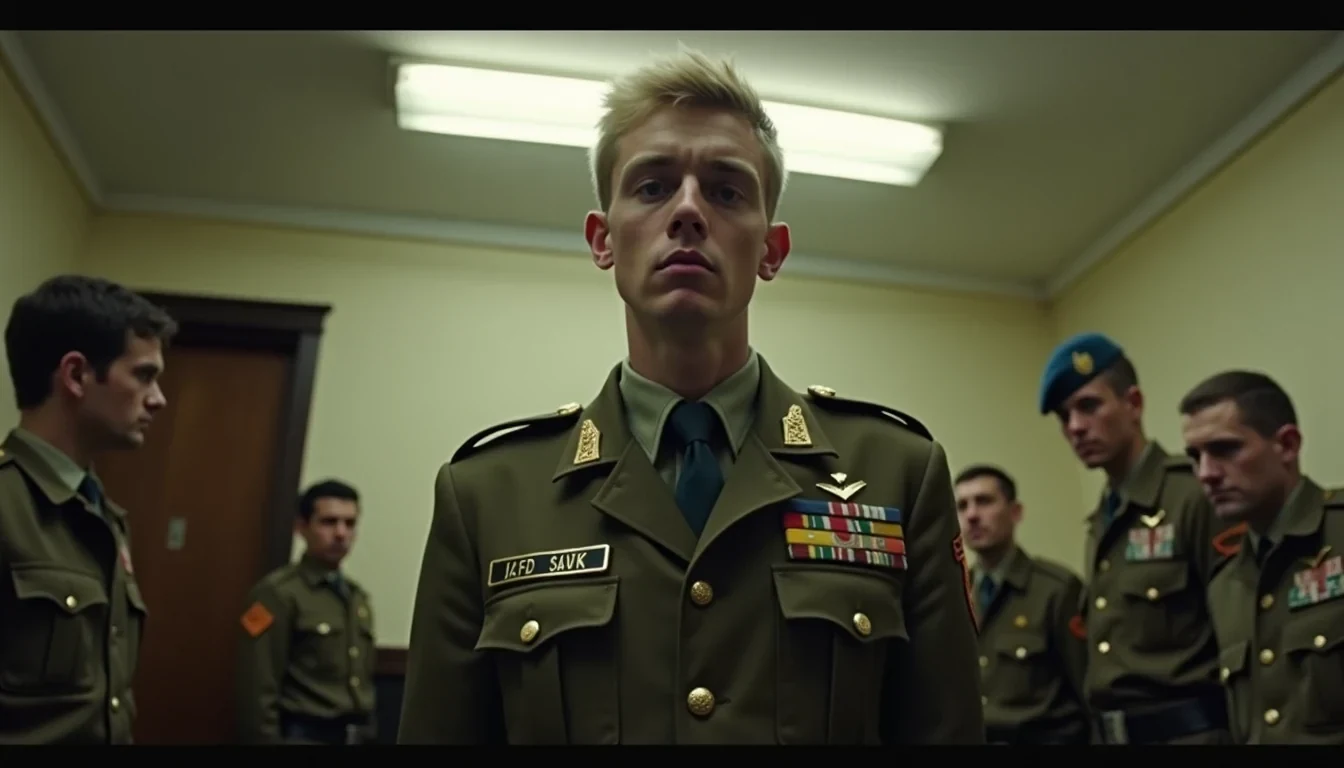
By 1982, the state expected white men his age to serve. Conscription was not a side issue. It was part of the whole racial order, a system that turned white manhood into a military resource and black life into a target. The message was simple and ugly: if you were white, you were supposed to defend the arrangement that was feeding you.
Paddock refused that script. He did not drift away quietly. He did not bargain for a softer sentence in spirit while keeping his place in the queue. He said no to the army and no to exile. That second refusal is easy to miss, but it sharpens the story. Exile would have let him preserve his conscience while removing him from the immediate cost. He chose to stay and face the state on its own ground.
Pretoria Central was the price
The apartheid authorities court-martialled him and sent him to Pretoria Central Prison for two years. That is a severe sentence for a moral act, but that was the point. The state wanted an example, a warning to other white men who might start thinking their conscience was more important than the uniform.
Consequences extended beyond the prison walls. A conviction like that followed a person into the working world and the social world. It made him suspect in the circles that usually treated white men like they belonged by default. The punishment was legal, but the pressure around it was social too. Family, community, employers, all the little gatekeepers of white respectability could close ranks fast when someone embarrassed the system.
Paddock still refused to fold. This is where his story gets more interesting than the usual tale of white guilt and personal enlightenment. He did not treat prison as a one-off act of purity. He came out and kept going.
He picked up a camera
After his release, he chose a camera instead of a rifle. This is not a sentimental detail; it is a political one. A rifle serves the state’s version of order. A camera can expose what that order really costs.
Paddock joined Afrapix, the anti-apartheid photography collective that began in 1982 and helped build a visual record of resistance from inside the country’s pressure cooker. Through that work he documented township protests, funerals, and the daily grind of defiance that never made the official speeches look impressive. The images were not there to decorate the struggle. They were there to prove it existed in the flesh, on streets, in cemeteries, at the edges of police violence and community grief.
That kind of photography mattered because apartheid depended so heavily on hiding behind language. Government statements, white newspapers, police briefings—all of it tried to make the system sound orderly and defensive. Afrapix ripped that apart with pictures of reality. Not abstract reality: bodies, crowds, smoke, mourning, anger, fear, courage.
Paddock’s place in that archive mattered because he was white and knew exactly what he was refusing. He could have enjoyed the privilege reserved for men like him, the false safety of being on the right side of the state’s colour line. Instead he spent years standing with the people that system was crushing.
White solidarity was the dangerous choice
Stories like this still hit a nerve for a reason. Apartheid trained white South Africans to confuse privilege with innocence. It told them they were merely beneficiaries, not participants. Paddock made that lie harder to maintain.
His refusal of conscription was already a break with white supremacy. His work with Afrapix deepened it. He was not simply objecting from a distance, then returning to comfort. He moved towards the struggle, used his skills inside it, and let his life answer the question the state was asking: which side are you really on?
That answer was costly. It required him to give up the simple rewards of belonging to the dominant group. It also gave his opposition a different kind of force. A white man saying apartheid was evil does not end apartheid, but it does puncture the fantasy that the system was universally supported by those who benefited from it.
Billy Paddock was white, progressive, humane, and he fought apartheid without dressing it up as anything else. He accepted prison rather than service, rejected exile as an escape hatch, and then spent years making sure the struggle could be seen. That is not a neat moral tale. It is better than that. It is evidence that even inside a system built on privilege, some people still chose to stand with the people being ground down by it.